How to Clean and Seal Pavers in the Arizona Sun: A Homeowner’s Guide
February 6, 2026
How to Clean and Seal Pavers in the Arizona Sun: A Homeowner’s Guide
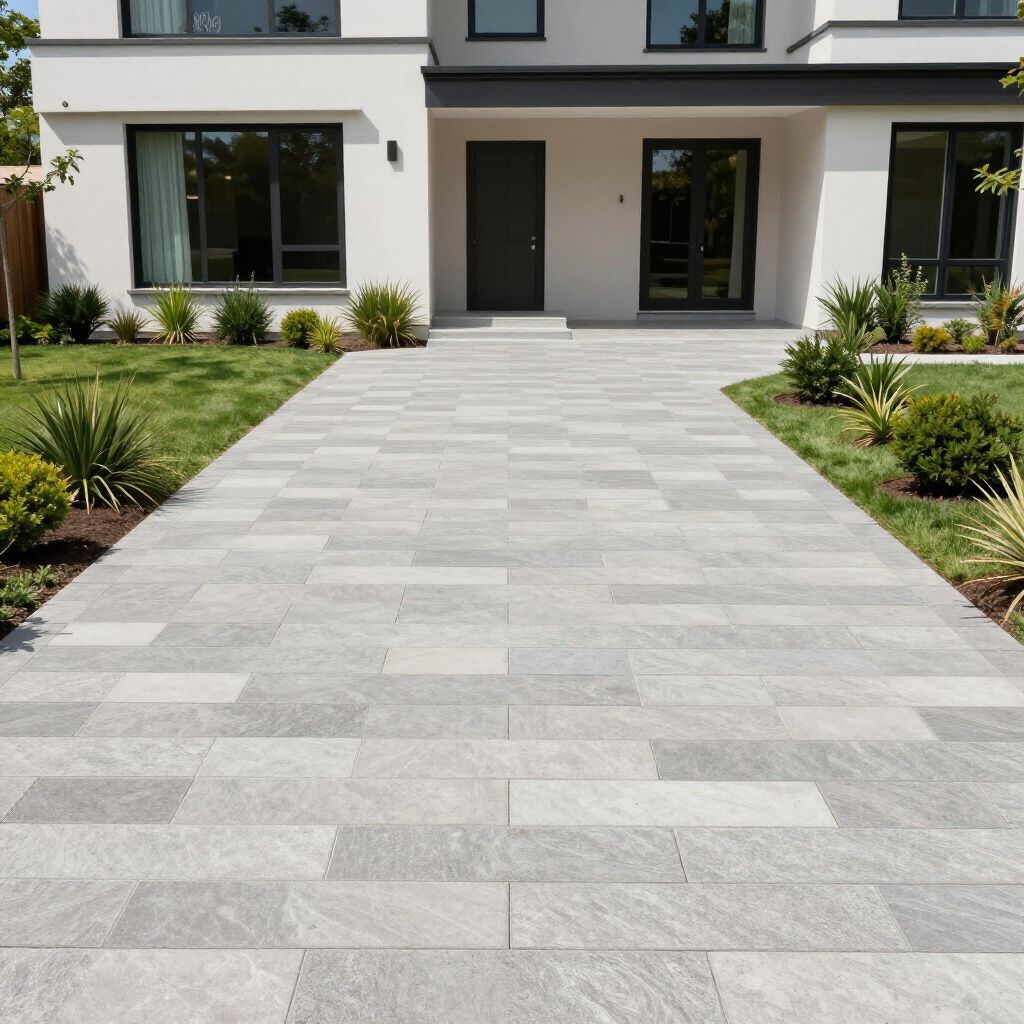
nvesting in a beautiful travertine patio or a custom paver driveway in Tempe or Chandler is one of the best ways to boost your home’s value. However, the Arizona desert is a harsh environment for hardscaping. Between 115°F summer days and heavy monsoon dust, your pavers take a beating.
At Tempe Paver Pros, we want your outdoor space to look as good in ten years as it does on the day we install it. Here is everything you need to know about cleaning and sealing your pavers to survive the Arizona sun.
1. Why Sealing is Non-Negotiable in Tempe
Think of paver sealer like sunscreen for your backyard. In the Hudson Valley or the Midwest, people seal to prevent freeze-thaw damage. In the East Valley, we seal for three different reasons:
UV Protection: Intense Arizona sunlight bleaches the pigments out of concrete pavers. Sealing locks in the color.
Stabilization: Sealer hardens the sand in the joints, preventing it from blowing away during a haboob (dust storm).
Stain Resistance: Whether it's a leaky car in the driveway or a spilled drink on the patio, sealed pavers are non-porous and won't soak up the mess.
2. The Cleaning Process: Start with a Blank Canvas
Before you even think about sealing, the pavers must be spotless.
Step One: Clear off all furniture and debris.
Step Two: Use a specialized paver cleaner (not just dish soap) to lift tire marks or oil spots.
Step Three: Power wash the surface. Pro Tip: Don't get too close to the joints, or you’ll blast out all the polymeric sand!
3. Choosing the Right Sealer for the Desert
In neighborhoods like South Tempe and Ahwatukee, homeowners usually choose between two finishes:
Wet Look (Gloss): This darkens the stone and gives it a "freshly rained on" shine. It’s stunning for travertine.
Natural Look (Matte): This provides all the protection without changing the appearance of the pavers.
Crucial Advice: Ensure you use a breathable, solvent-based sealer. Water-based sealers can sometimes "trap" moisture in the porous stone during a humid monsoon, leading to a cloudy white film known as efflorescence.
4. When is the Best Time to Seal?
Timing is everything in Arizona. You should never apply sealer when the surface temperature of the pavers is over 100°F—the sealer will dry too fast and won't bond properly.
Best Time: Early spring (March/April) or late fall (October/November).
The 24-Hour Rule: Make sure there is no rain (or sprinklers) scheduled for at least 24 hours after application.
Let the Pros Handle the Maintenance
If the idea of scrubbing and sealing your entire driveway in the heat sounds like too much, give us a call. Tempe Paver Pros provides professional deep-cleaning and premium sealing services across the East Valley.
Paver Restoration: Before & After
Real results for our clients in Tempe, Chandler, and Ahwatukee.
 Before
 After
After
Travertine Sealing - South Tempe
 Before
 After
After
Driveway Restoration - Chandler, AZ
Does Your Patio Need a Makeover?
We specialize in deep cleaning, sand stabilization, and premium UV-protective sealing.
Get Your Free Restoration Quote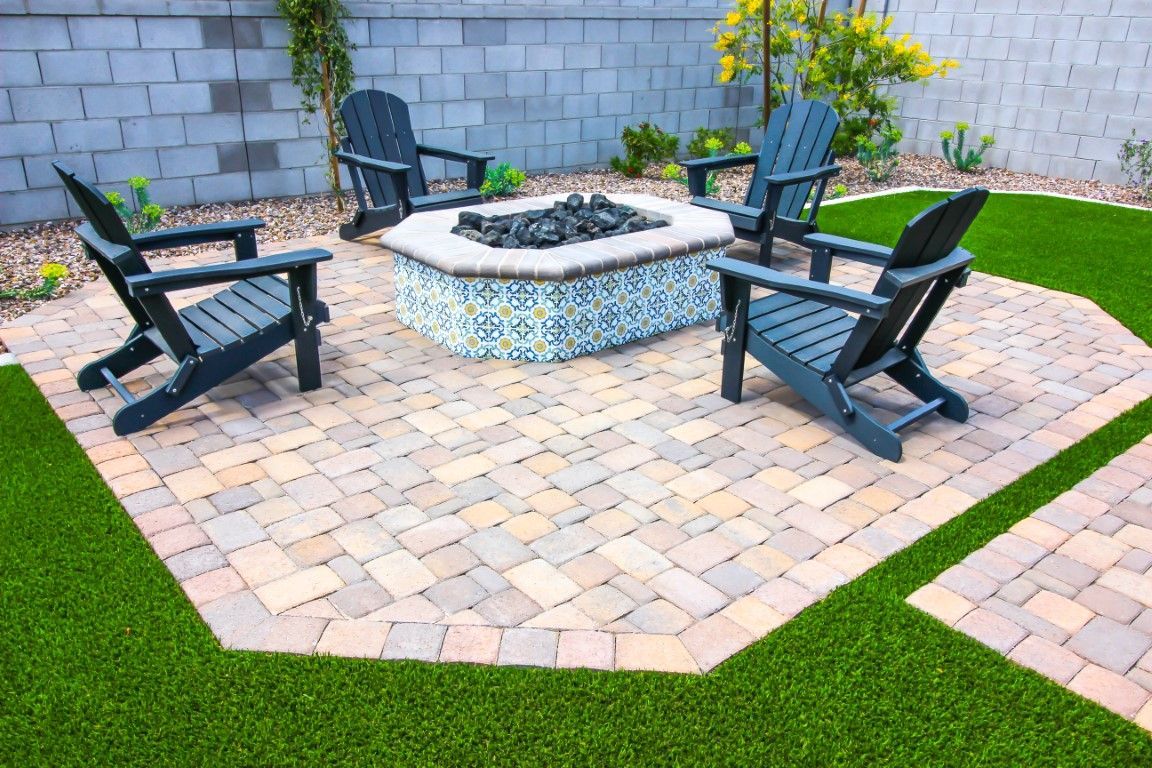
Need heat-resistant pavers for your Tempe home? Discover the best options for the AZ sun with Tempe Paver Pros. Call 480-764-4015 for a free estimate!
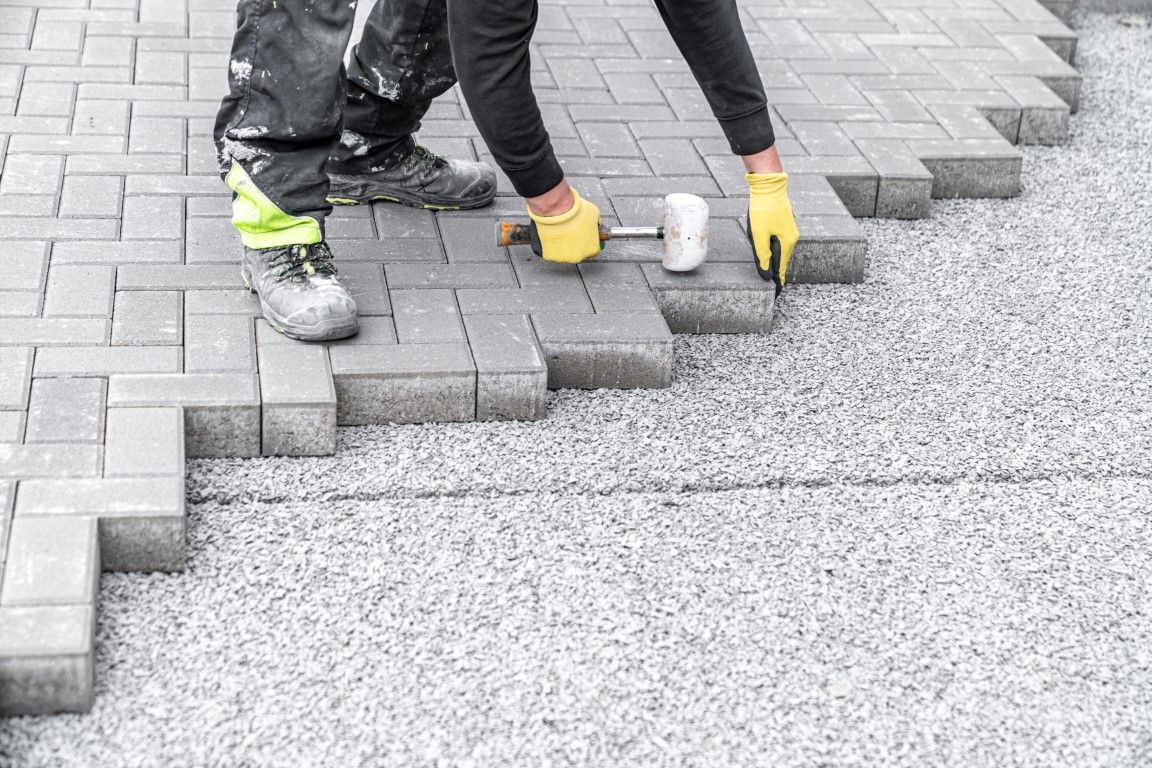
Looking for expert paver installation in Tempe, Chandler, Mesa, Scottsdale & Gilbert, AZ? Tempe Paver Pros delivers stunning driveways, patios & walkways built to last. Call 480-764-4015 for a FREE estimate!